

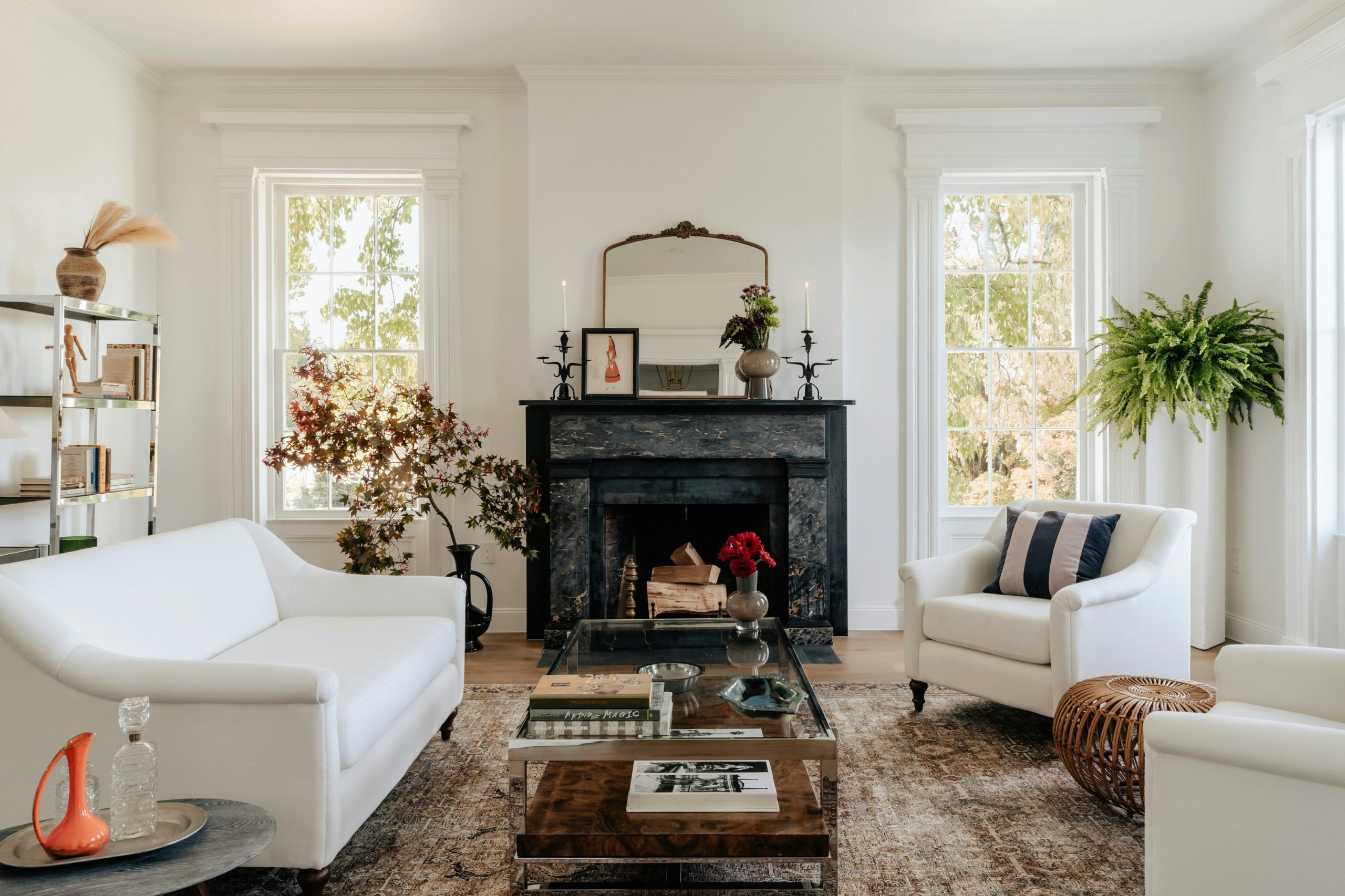
There’s a reason classical design continues to influence interiors centuries later, it’s rooted in balance, harmony, and proportion. Inspired by ancient Greek and Roman architecture, this style creates spaces that feel calm, structured, and quietly luxurious. The beauty of classical design today lies in reinterpretation. You don’t need grand columns or palatial rooms, just a thoughtful approach to layout, materials, and detail.
What Defines Classical Interior Design?
At its core, classical design is guided by proportion and symmetry. Spaces are carefully arranged to feel visually balanced, often inspired by mathematical principles like the Golden Ratio. Natural materials particularly marble and stone add a sense of permanence, while subtle architectural details bring refinement without excess.
3 Ways to Bring Classical Style into Your Home
Use Symmetry to Create Visual Balance
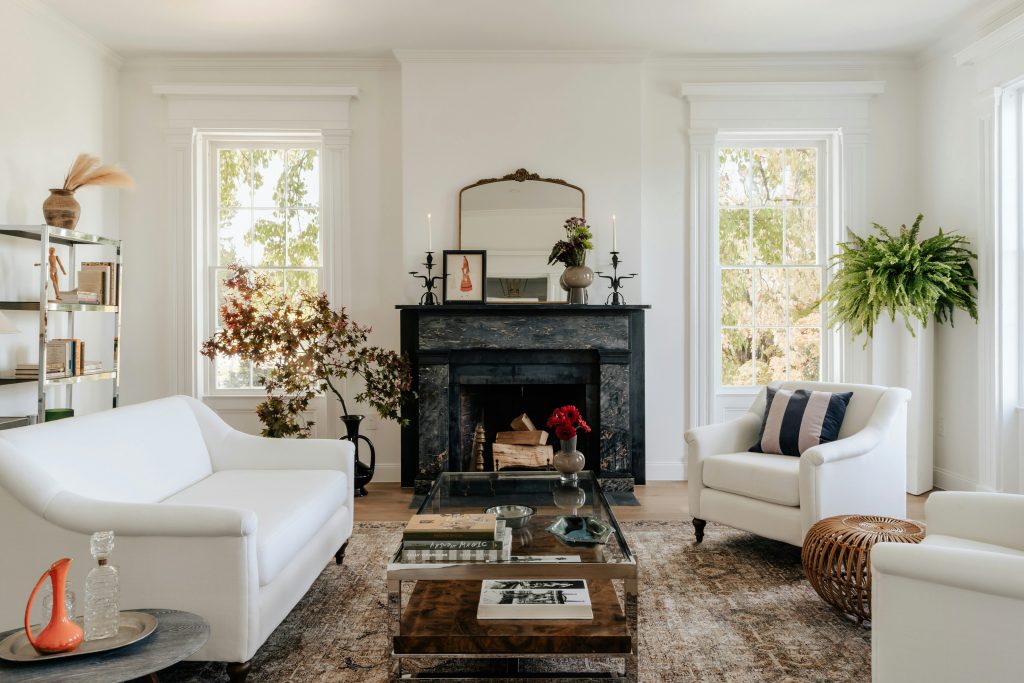
Symmetry is one of the most accessible ways to achieve a classical look. Arrange furniture in pairs, center your focal points, and create mirrored layouts where possible. This approach instantly makes a room feel intentional and serene.
Introduce Marble as a Statement Material
Marble doesn’t need to dominate a space to make an impact. A coffee table, countertop, or decorative object can introduce elegance in a subtle, modern way. Its natural veining adds texture without clutter.
Incorporate Architectural Details
Wall paneling, fluted textures, or decorative molding can echo classical architecture without requiring renovation. Even small details like ribbed vases or structured furniture can reference this timeless aesthetic.
The Modern Interpretation
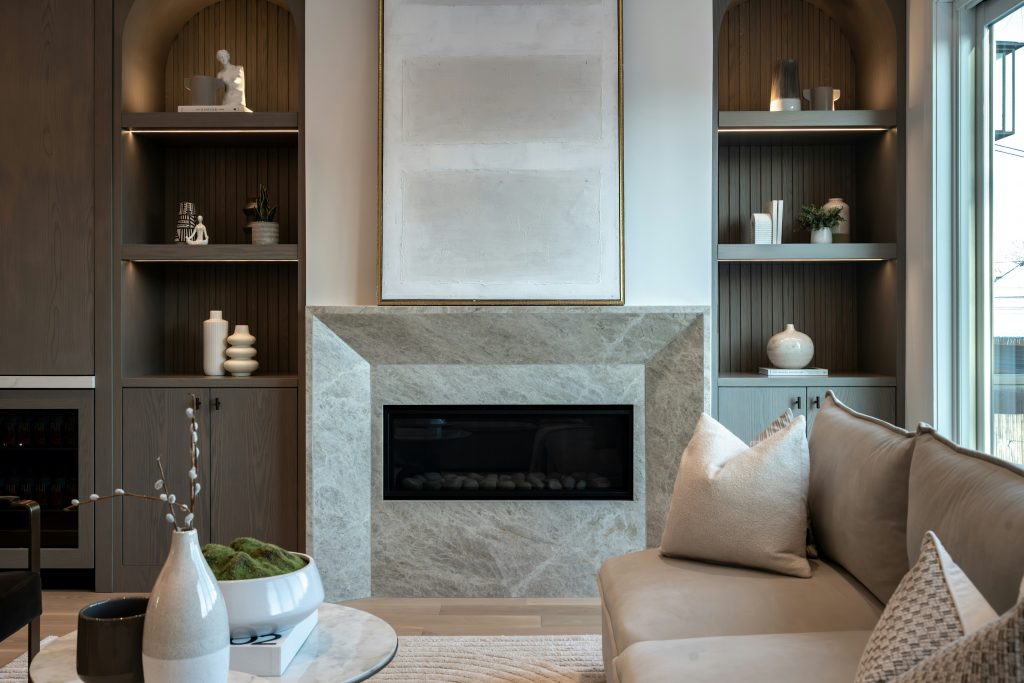
The key to modern classical design is restraint. Instead of recreating historical interiors, focus on one or two defining elements and pair them with clean, contemporary pieces. This balance keeps the space feeling fresh rather than formal.
Color Palette Inspiration
- Soft Ivory #F6F1E9
A warm, creamy off-white that works beautifully for walls or backgrounds. - Warm Beige #D8C3A5
A grounding neutral with subtle warmth, ideal for upholstery or larger furniture pieces. - Stone Grey #8A8F8D
A soft, natural grey that adds contrast without feeling cold. - Muted Terracotta #C47A5A
An earthy accent tone that introduces depth and a hint of Mediterranean warmth.
Classical design isn’t about grandeur, it’s about intention. With symmetry, natural materials, and thoughtful detail, you can create a home that feels timeless, elegant, and effortlessly modern.
Leave a Reply