

The Pullman Effect: Velvet, Marquetry, and the Art of the Enclosed World
How Victorian luxury rail travel colonised the private study and smoking room
HISTORICAL CONTEXT
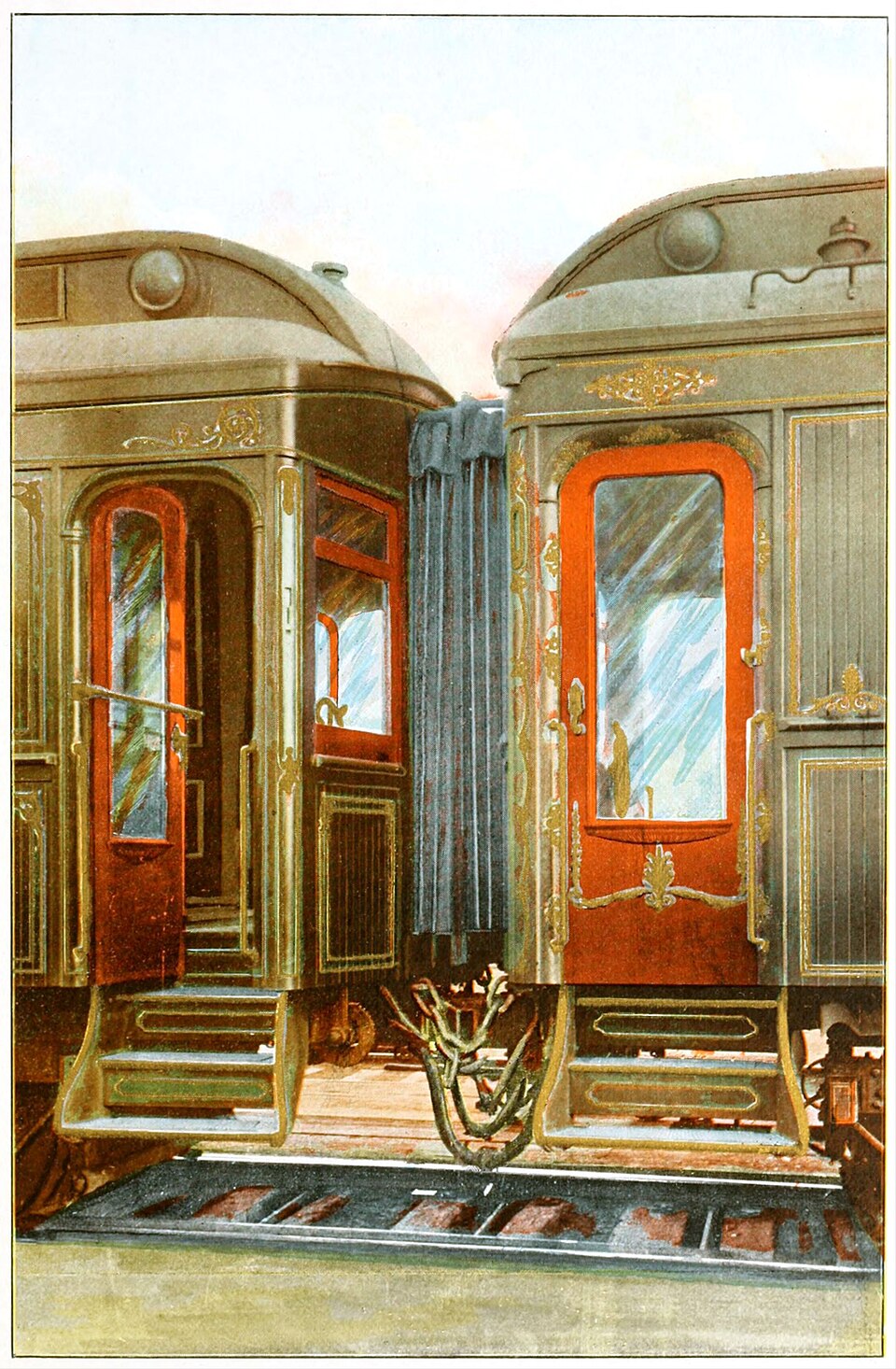
George Pullman launched his first sleeping car in 1865, and by 1880 his Palace Car Company had established an entirely new design brief: maximum comfort in a space measuring roughly 2.5 by 3 metres. The challenge of making confinement feel like privilege produced one of the most influential interior vocabularies of the 19th century. Pullman hired craftsmen who had trained in the furniture workshops of Cincinnati and Grand Rapids, the same tradition that furnished America’s great Victorian homes and the cross-pollination was immediate and deliberate. The Orient Express, launched by the Compagnie Internationale des Wagons-Lits in 1883, carried this sensibility to European heights, commissioning marquetry panels from Parisian ébénistes and velvet upholstery from Lyon’s silk weavers.
THE MATERIAL SHIFT
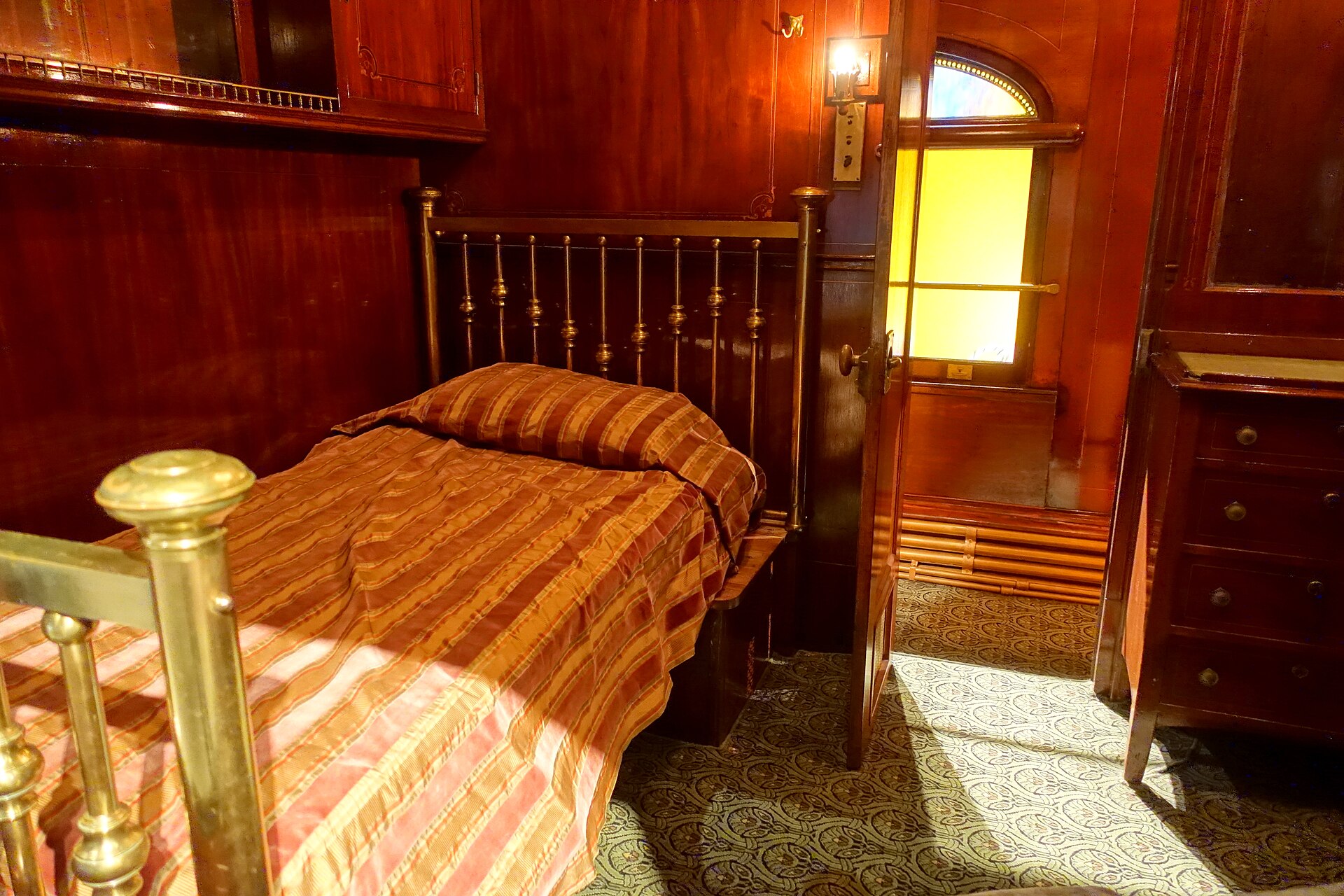
Marquetry, the inlay of differently coloured wood veneers to create pictorial or geometric patterns had existed in European furniture since the 17th century, but the Pullman car demanded a more robust version: panels that could withstand vibration, temperature change, and the hands of thousands of passengers. Craftsmen developed a resin-backed veneer system that allowed elaborate patterns to survive in motion, and this technology entered residential cabinetmaking directly. Similarly, cut velvet in deep jewel tones (garnet, peacock, midnight blue) was engineered with a higher pile density than domestic upholstery to resist the wear of travel and when interior decorators encountered it, they adopted it for club chairs and window seats for the same reason: it looked richer, and it lasted.
THREE SIGNATURE ELEMENTS
01
Marquetry Cabinetry
Geometric or floral wood inlay on drawer fronts and cabinet doors, the defining visual language of the Victorian private study, inherited wholesale from railway carriage panels.
02
Jewel-Tone Velvet
Deeply pigmented cut velvet on armchairs and chaises, not just a colour choice but a specific fabric engineering that came from the Pullman upholstery specification.
03
Fringed Lampshade
The beaded or bullion-fringed table lamp, a direct descendant of the Pullman car’s oil lamp fittings, which required weighted pendants to remain stable on a moving train.
GET THE LOOK
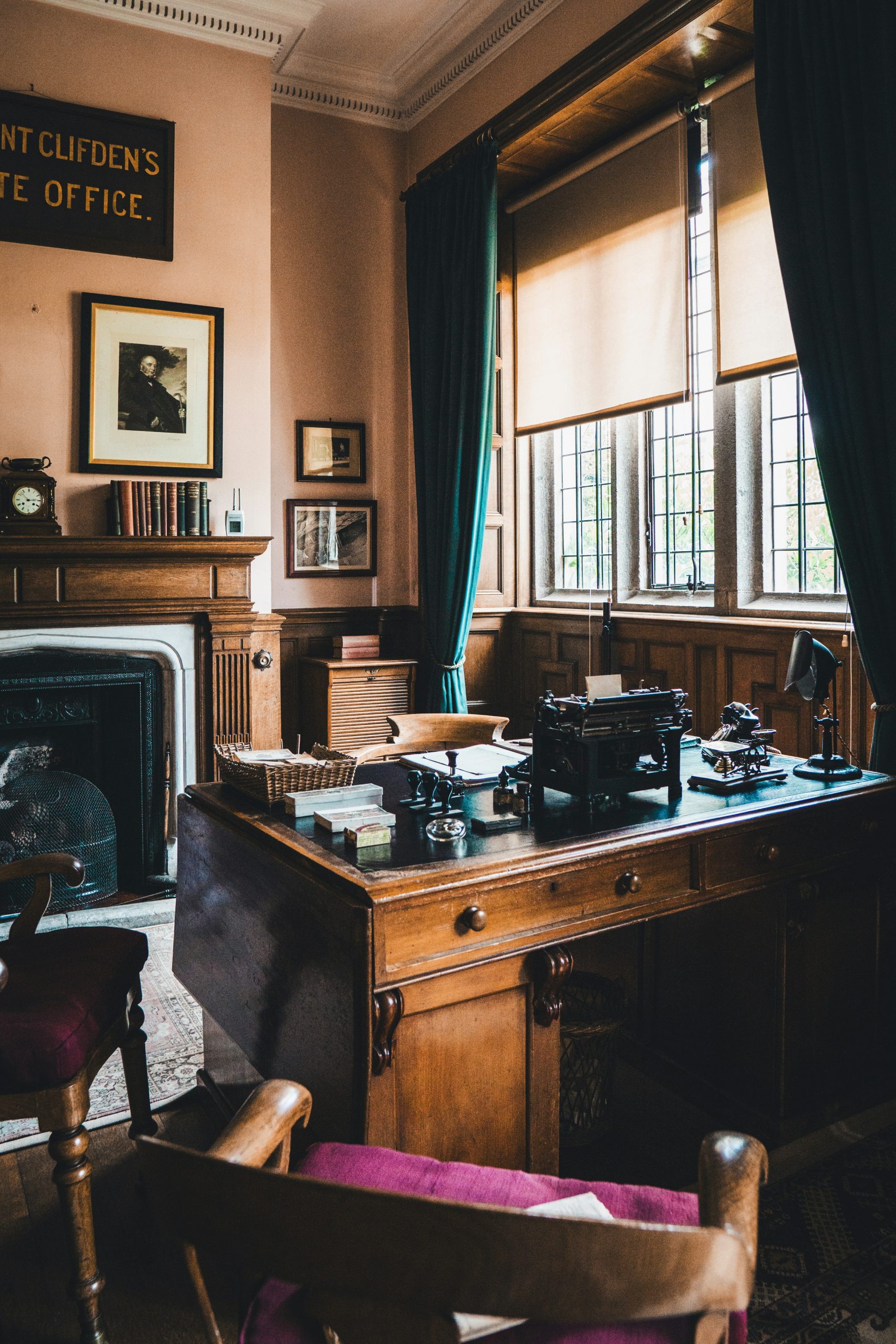
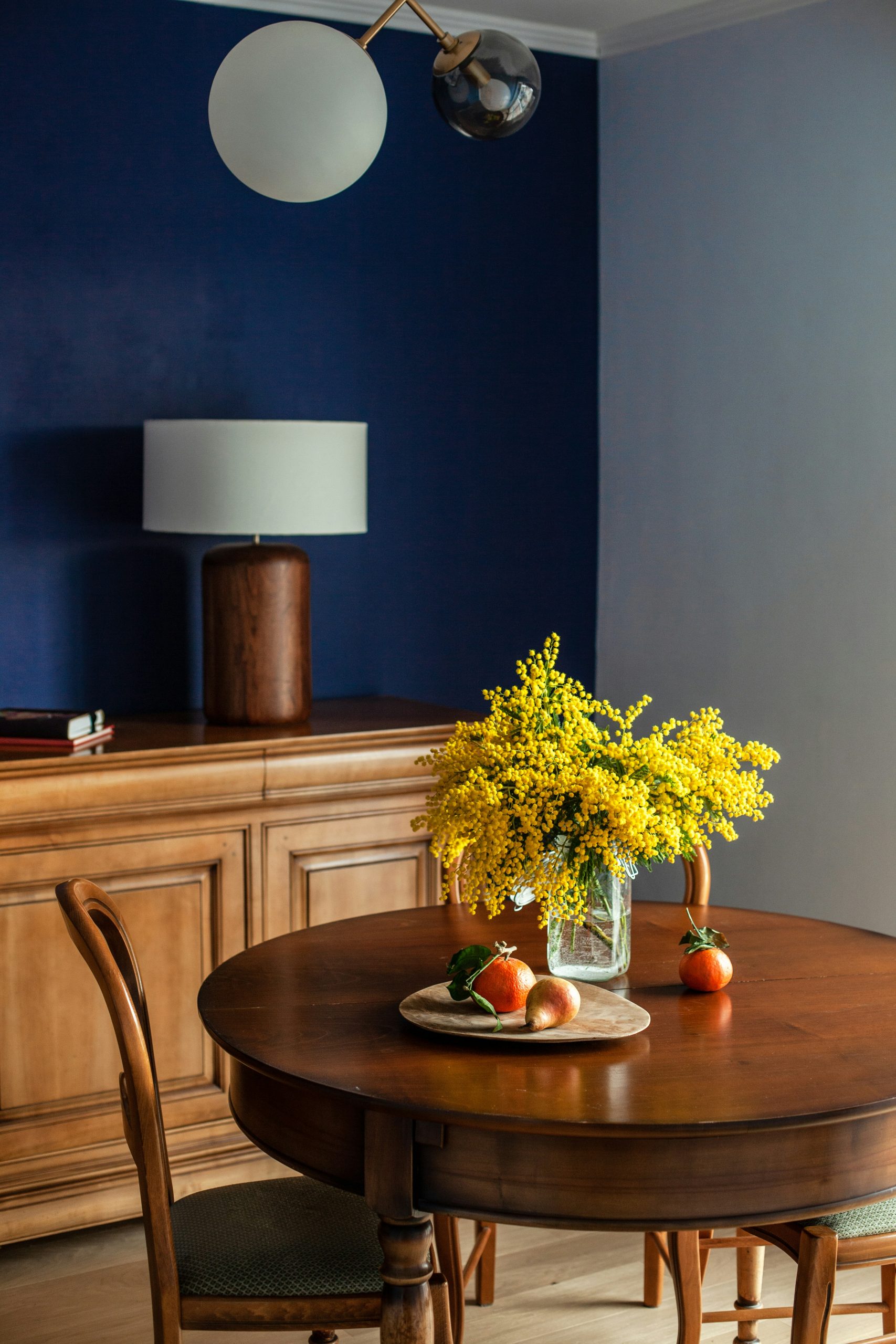
- Introduce velvet through a single club chair or ottoman in a saturated tone, bottle green or ink blue. The fabric does the historical work; everything else can be contemporary.
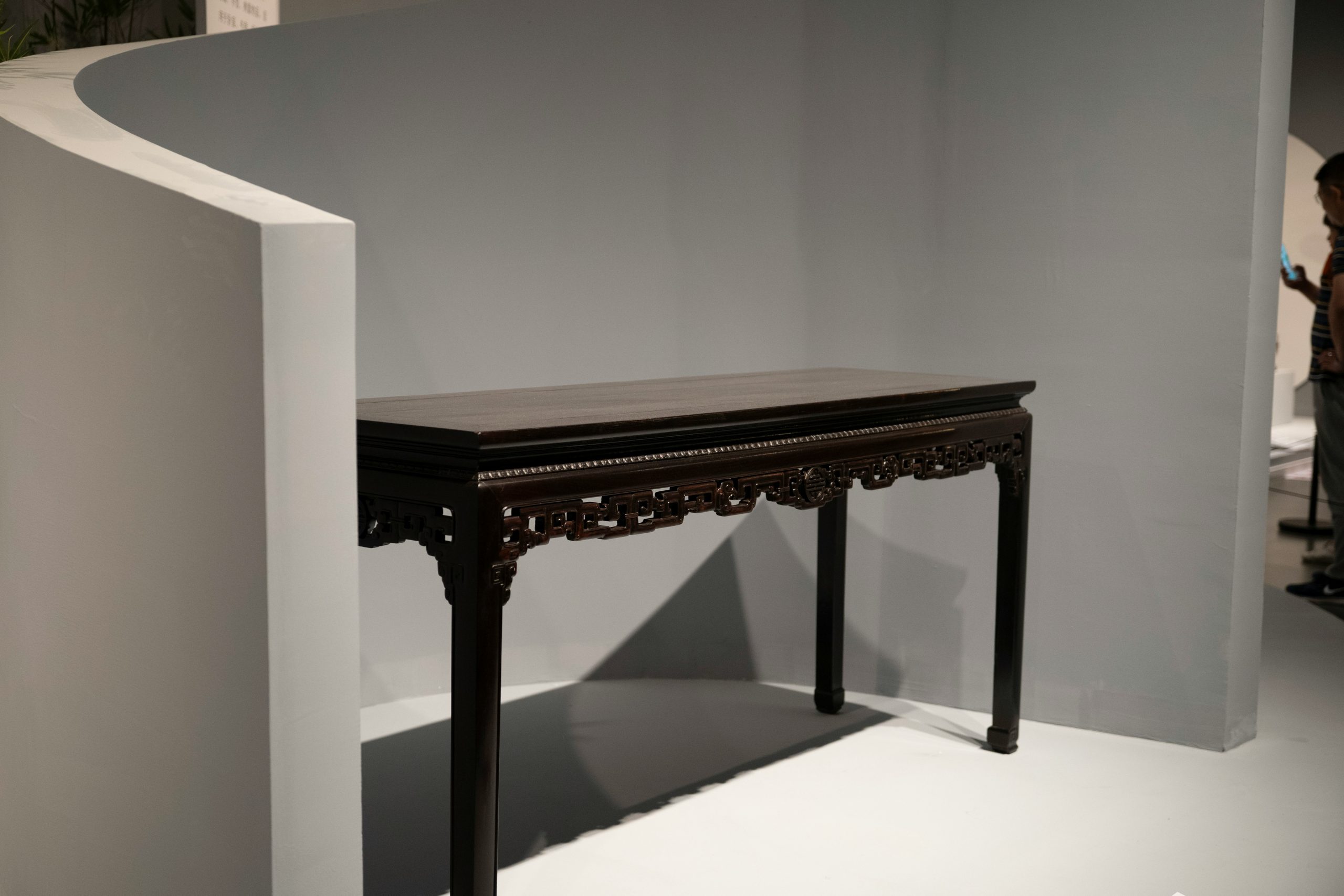
- Seek marquetry in unexpected places: a small side table with an inlaid top, or a picture frame with geometric veneer banding. It reads as collected, not costumed.
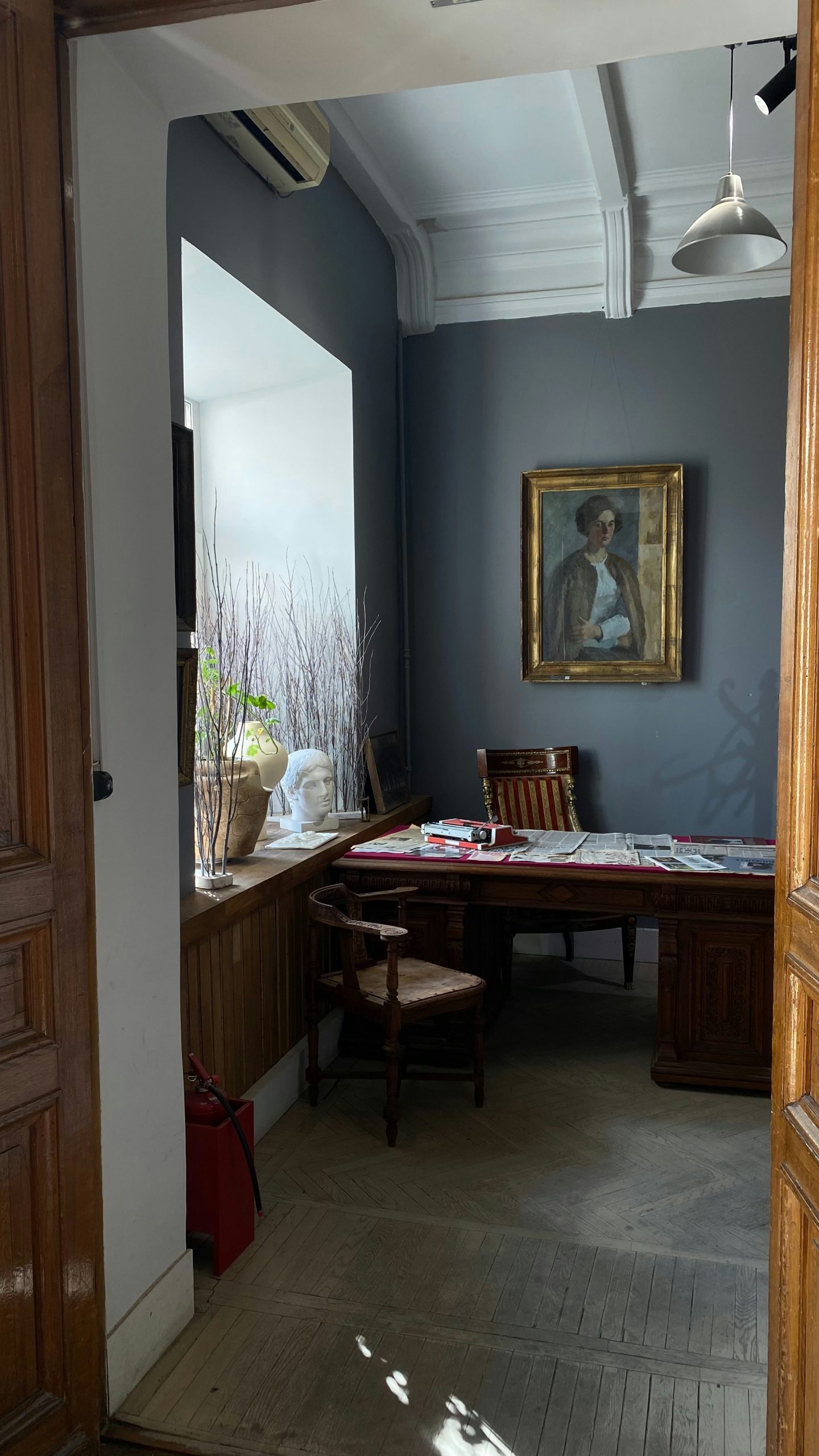
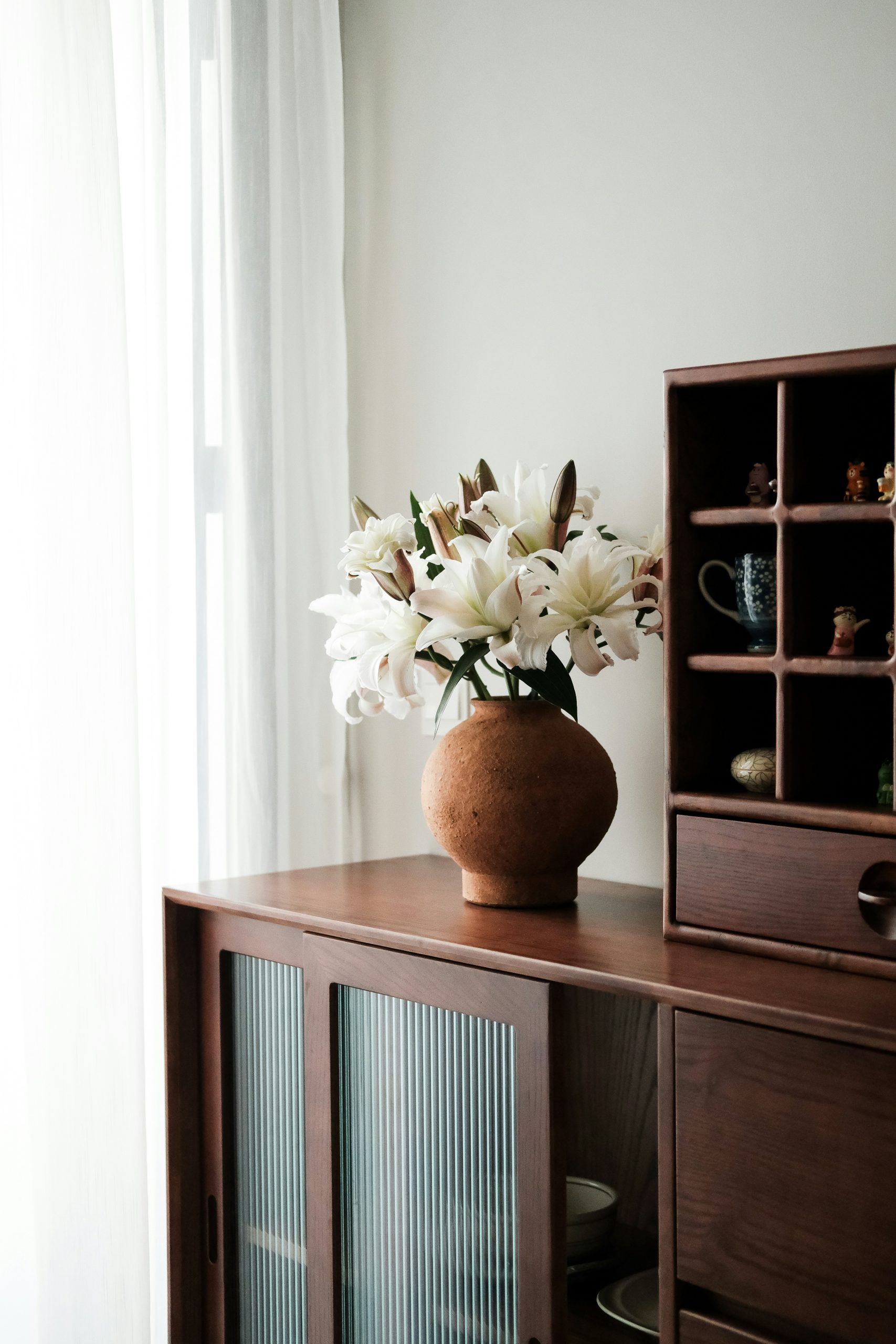
- Ground the scheme with substantial dark wood, a walnut desk or mahogany bookcase and balance it with white walls and linen curtains to prevent the room from closing in.
- Add a brass reading lamp with a fabric shade. The material combination, brass stem, textile shade is the single most direct transfer from Pullman carriage to private study.
Leave a Reply